
Who made the statues, why and how were they destroyed…still a mystery!!
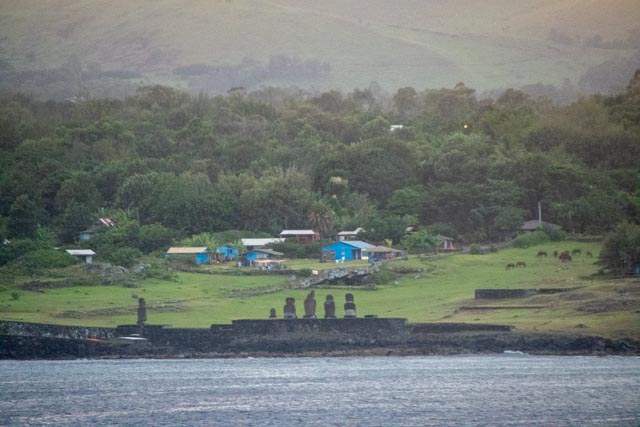
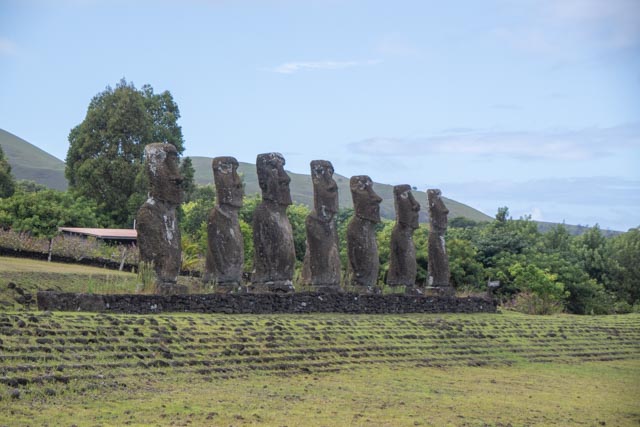
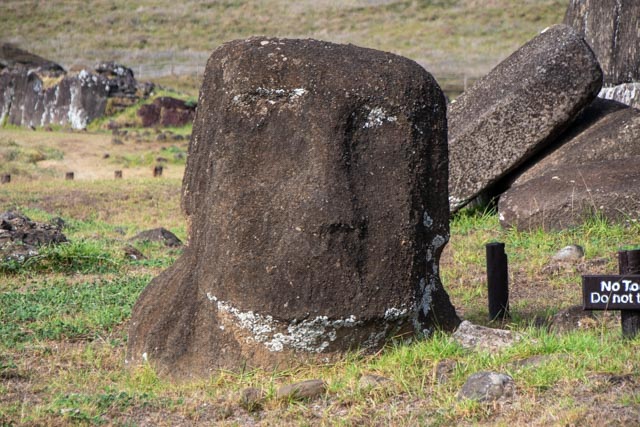
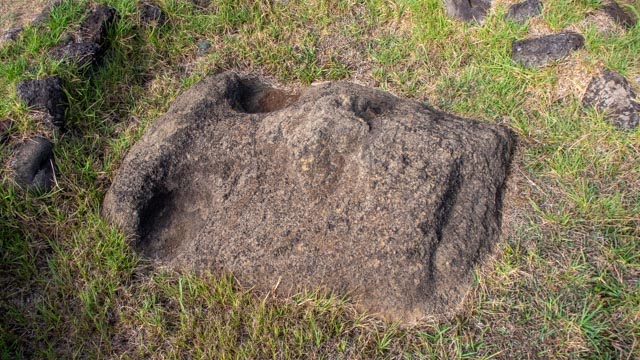
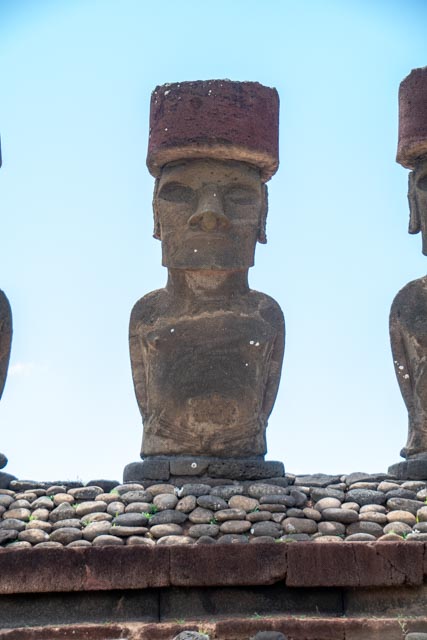
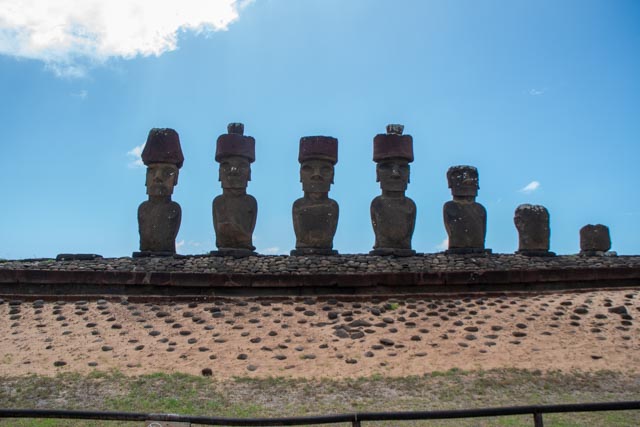
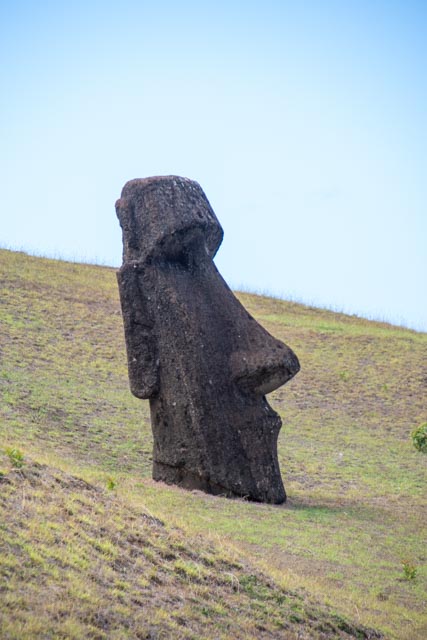
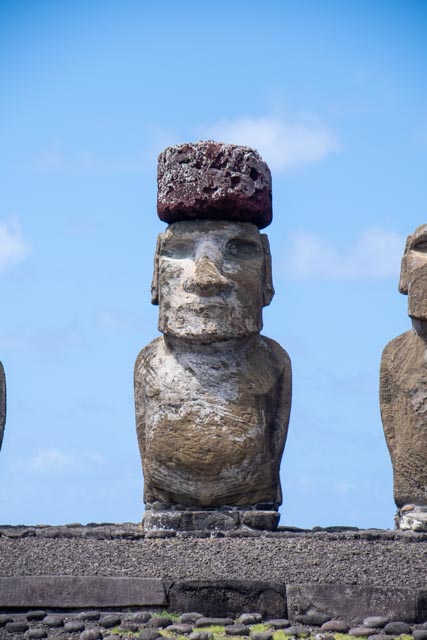
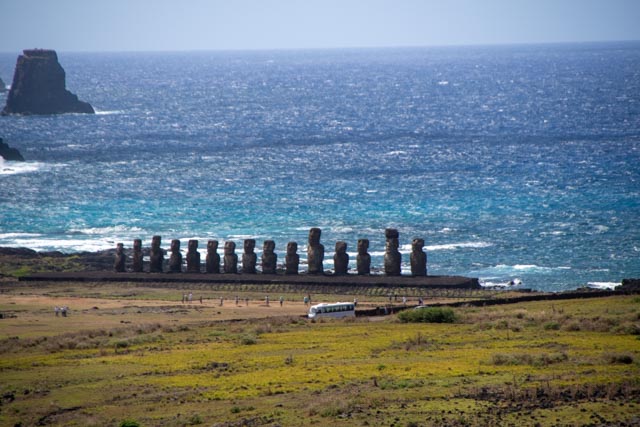
Easter Island, or Rapa Nui in their native language, is one of the most remote islands on the earth. It is Chilean territory in the South Pacific known for its over 900 statues, the Moai, carved by Polynesian settlers between the 13th and 16th centuries. As a UNESCO World Heritage site, it features dramatic volcanic landscapes and a unique, ancient culture. These statues, often featuring red stone “hair” or hats (pukao), were typically placed on coastal stone platforms called ahu in spots along the perimeter of the island.
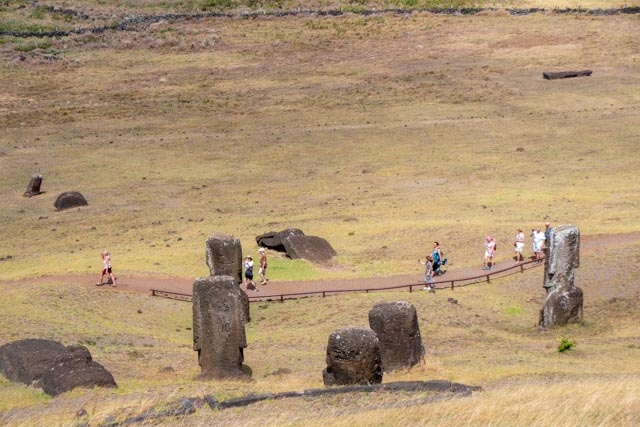
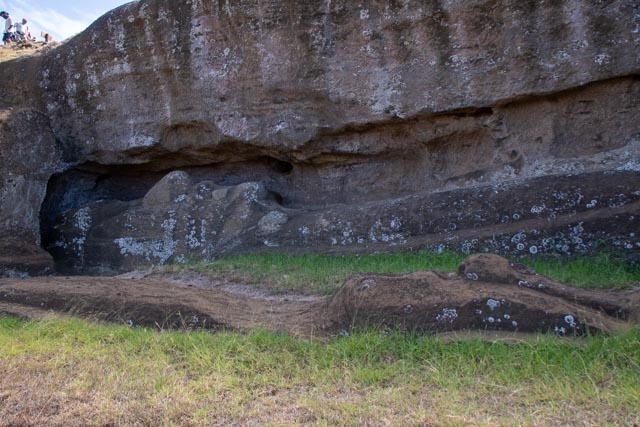
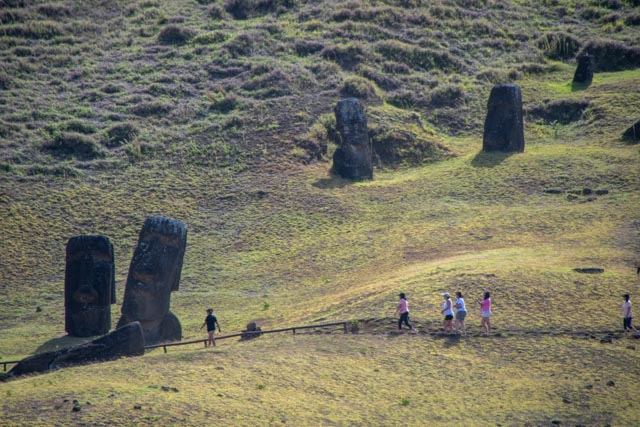
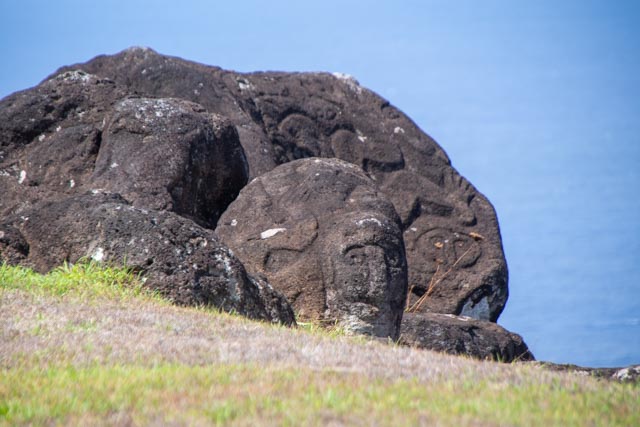
There is little known about the history of these statues. According to National Geographic, “Most scholars suspect that the moai were created to honor ancestors, chiefs, or other important personages. However, no written and little oral history exists on the island, so it’s impossible to be certain. The majority were carved in the Rano Raraku , a volcanic crater near the center of the island. Many of the Moai stand about 13 feet (later carvings were taller), and scientists believe these statues were “walked” to their locations rocking them back and forth using a system of ropes.
There is also a long, sad history surrounding the islanders. With each arrival of ships from other places, the islanders were taken as slaves or caught European diseases that almost wiped out the population of the island.
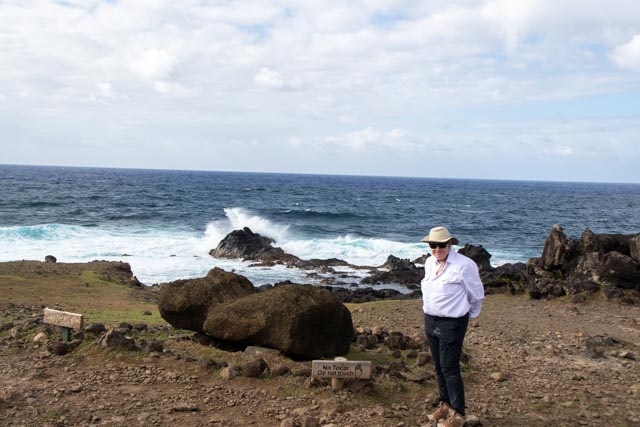
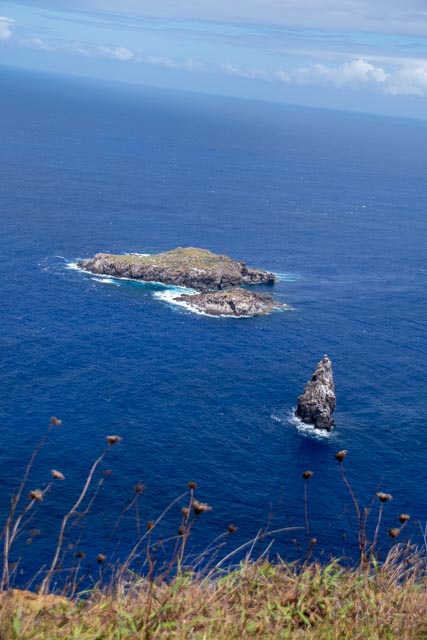
Visiting this island was a breathtaking experience. You cannot imagine the sheer size and number of these statues all around the island.
 OhThePlacesThatWeGo
Leave a comment