Author: richardandsuzanne
-
Niigata
Rule number one in Niigata: slurp your noodles! At a very old, family-run soba restaurant, we learned that slurping is actually proper etiquette, and it was a delicious start to our visit. Niigata is a major port and, with almost 800,000 residents, the most populous city on the northwest coast of Honshu, Japan’s main island.…
-
Akita
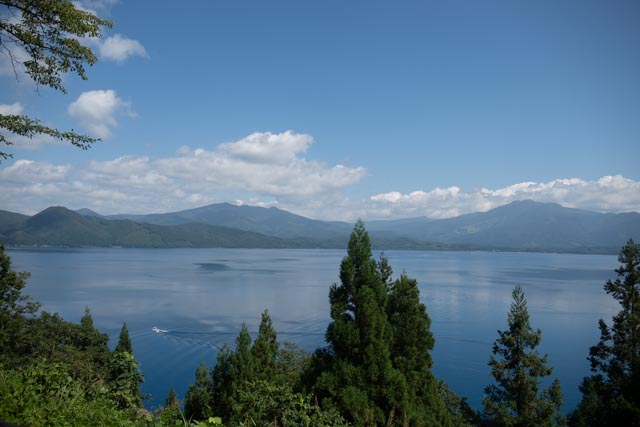
From Hakodate we continued to Akita Prefecture, on the northwest side of Honshu, Japan’s main island. Akita is a scenic destination known for its dramatic landscapes and deeply rooted cultural traditions. Framed by rugged mountains, dense primeval beech forests like the UNESCO-listed Shirakami-Sanchi, and serene spots like Lake Tazawa, the region offers a tranquil escape…
-
Hakodate, Japan
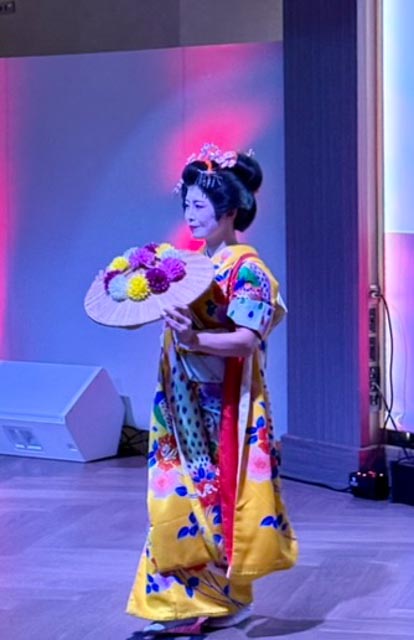
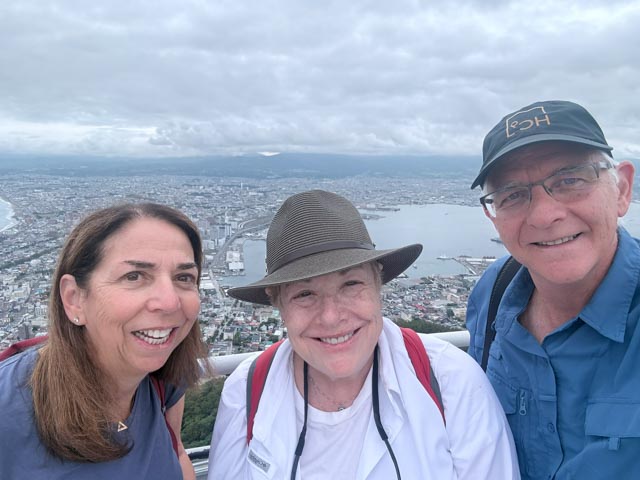
After seven days of nothing but open sea across the Bering Sea and North Pacific Ocean, we were ready for dry land. Japan delivered with our first stop in Hakodate, at the southern tip of Japan’s northernmost island. Our dear friend Sandy joined us onboard for a week as part of the ship’s Japanese cultural…
-
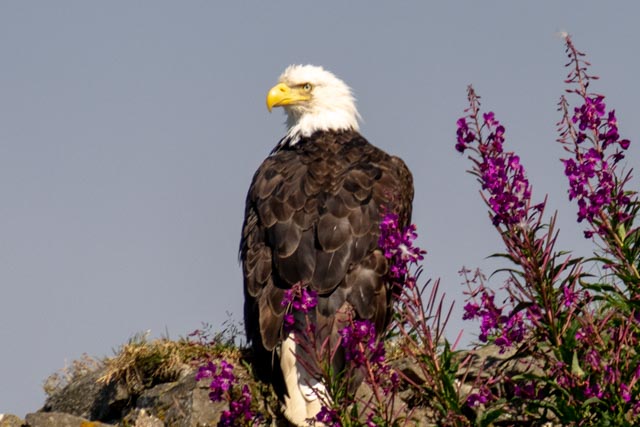
The Deadliest Catch
Fans of the TV show will know that this is Dutch Harbor, Alaska. Set among the rugged beauty of the Aleutian Islands, Dutch Harbor is the busiest fishing port in the US. It is also a picturesque town at the edge of the Bering Sea with historic WWII sites along with native Unangan culture.
-
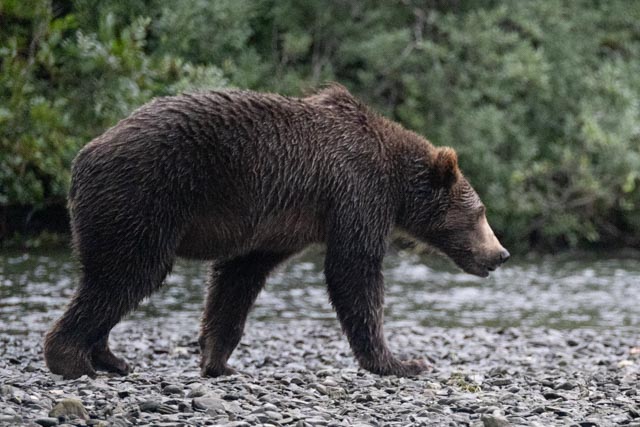
Kodiak
On to Kodiak and all aboard. – The island of Kodiak is the second largest island in the United States, roughly half of whom live in the town of Kodiak. It is known for brown bears, salmon, and access to a wide, rugged archipelago. We reboarded the ship here, with our kids, giving them a…
-
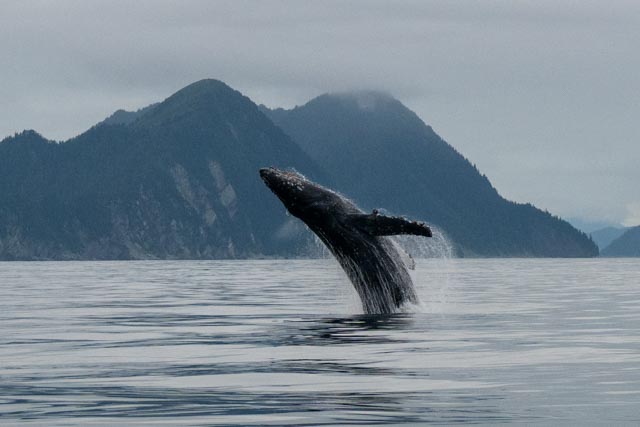
Alaska – Seward & Anchorage
Time to reboard – this time with the family for a week. But before we do that, spending some time touring on our own. When someone mentions Alaska, you think Glaciers and bears (at least we did). Boy, were we surprised – Alaska also has vast wilderness – green as far as the eye can…
-
The chapter ends
After a stop in Kiribati, we are finally heading home. Kiribati is a remote Pacific Island that straddles the International Date Line. It is a nation known for WWII history, crystal clear waters for snorkeling and diving , and authentic cultural experiences with a small but warm and friendly local population. Our trip has been…
-
Marquesas Islands
Located 850 miles north of Tahiti and 3,000 miles west of Mexico, the Marquesas Islands is the most remote island chain in the world are. Though named for the Spanish 5th Marquis of Canete, they are the one of the largest island groups in French Polynesia though still only have a combined land mass of…
-
Tahiti – PARADISE!!!
Tahiti is the most known island in French Polynesia. An “overseas collective” of France, French Polynesia is made up of 121 islands and atolls stretching across 1,200 miles of the south Pacific Ocean. Papeete, on the island of Tahiti is the vibrant heart of French Polynesia, you are immediately greeted by the intoxicating scent of…

