“If Antarctica were music it would be Mozart. Art, and it would be Michelangelo. Literature, and it would be Shakespeare. And yet it is something even greater; the only place on earth that is still as it should be. May we never tame it.”– Andrew Denton
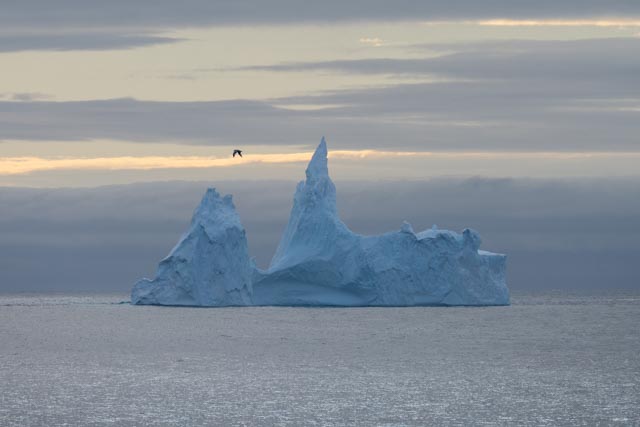
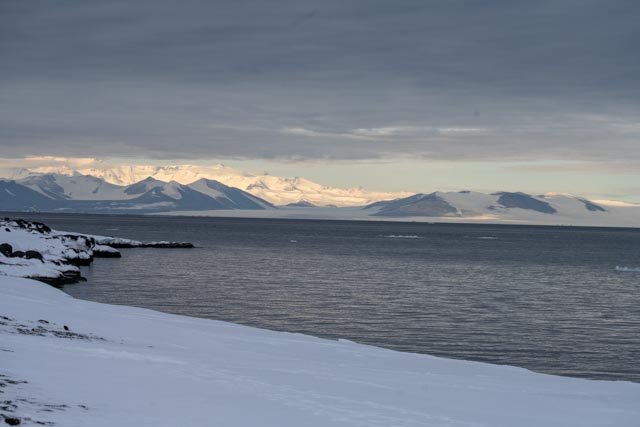
Antarctica, the southernmost continent and site of the South Pole, is an ice-covered landmass that is uninhabited except for the myriad of scientific research stations. It is the driest, coldest and windiest continent, often referred to as a “polar desert” with an average of 8” of annual rain and most of that on the coastline. Despite that, the frozen ice shelves hold about 70% of the world’s freshwater reserves that if melted, would increase global sea levels by almost 200 feet.
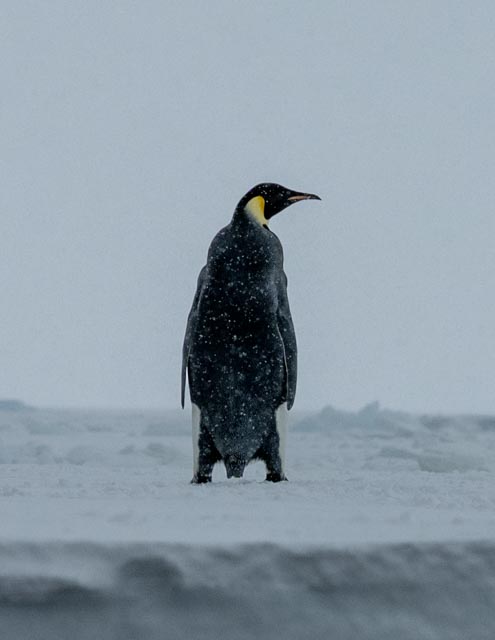
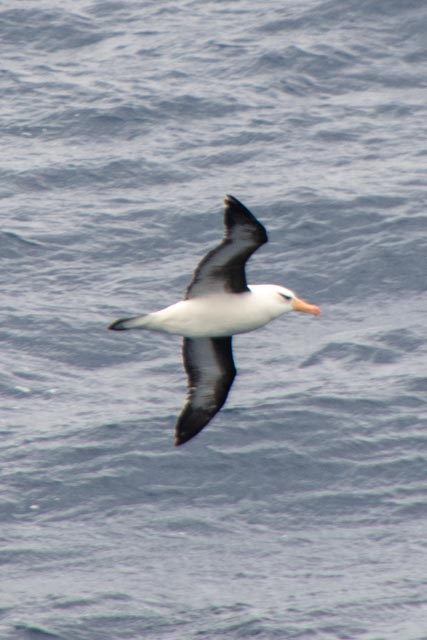
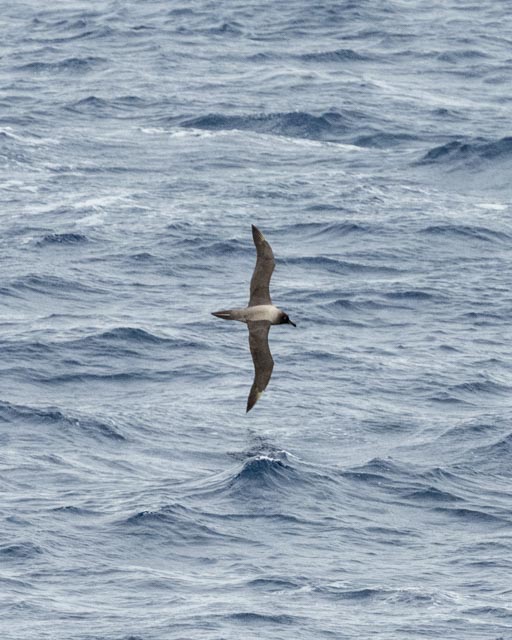
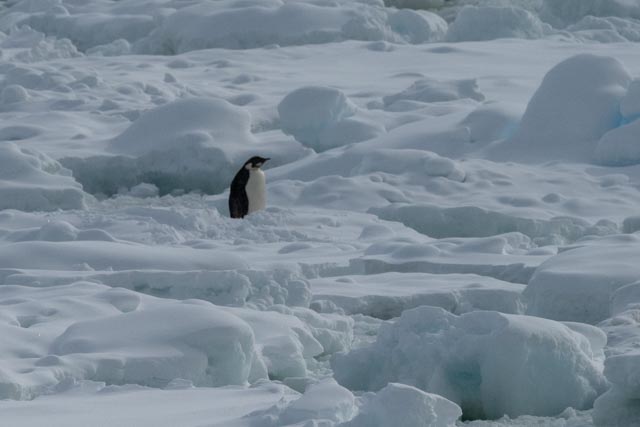
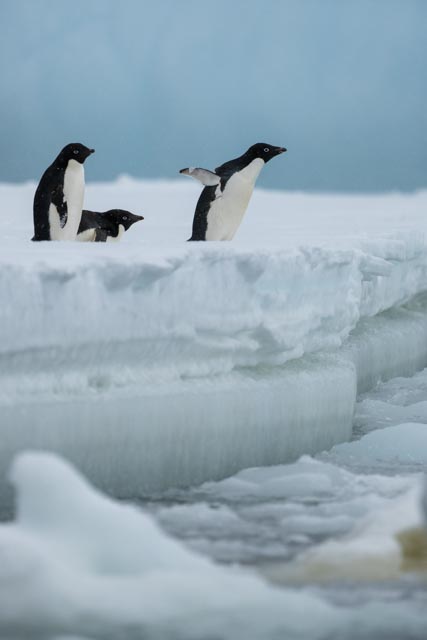
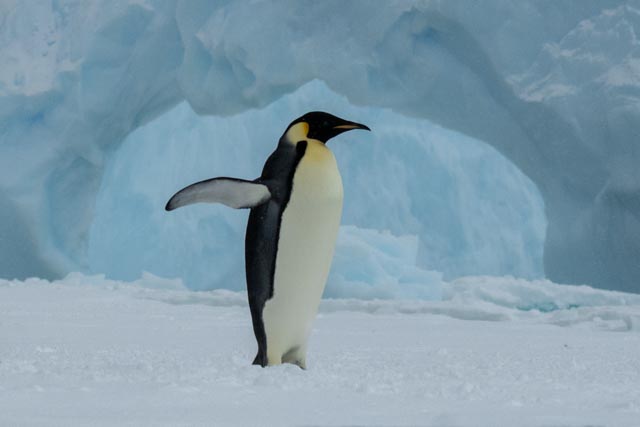
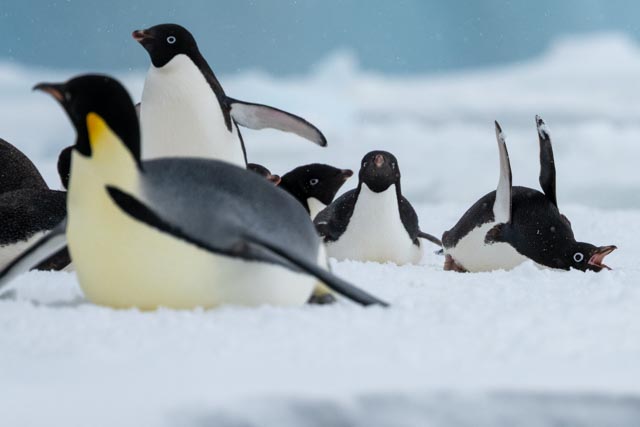
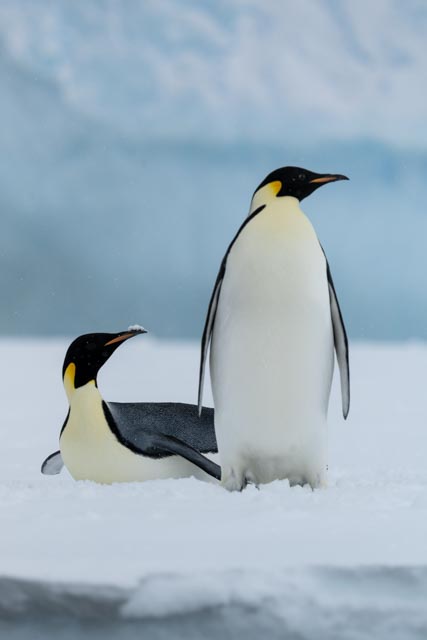
The Antarctic ice shelves were likely first seen in the early 1800’s but not explored until the early 1900’s. In 1911, the Norwegian explorer Roald Amundsen traveled across the Antarctic continent and became the first to reach the geographic South Pole, beating out the British by just one month. Animals living on the continent and surrounding waters include seals, whales, krill and numerous species of birds including the petrel, skua, albatross and of course penguins.
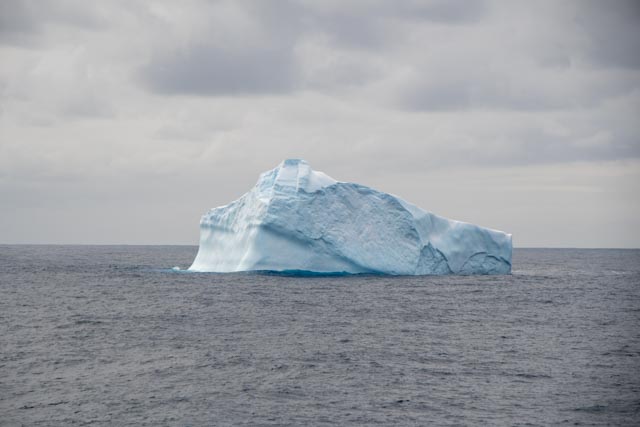
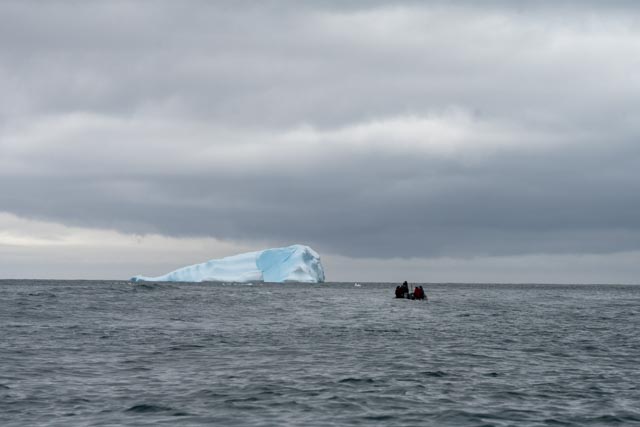
We were fortunate to go to places rarely visited. Here is a highlight of our itinerary and some initial pictures. Stay tuned for more on history, icebergs and landscapes and of course, the animals.


 OhThePlacesThatWeGo
Leave a reply to pioneering2e4ed95f5b Cancel reply