
Shanghai is a Reminder of New York City: with Skyscrapers, Old Streets and a History of Refuge
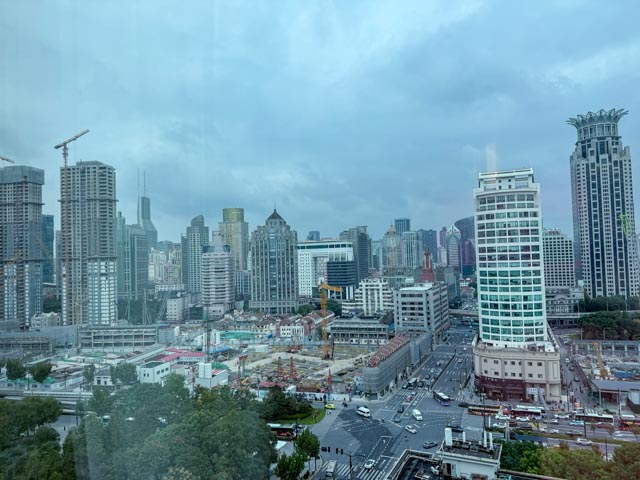
Although we had very little time to visit Shanghai, we were in awe of what we saw, and it was hard to reconcile with what we expected to see in a communist country. From the first glimpse of the skyline, the city felt as vibrant, modern and bustling as New York, but cleaner and quieter: no litter on the streets, and it seemed that nearly every car was electric. Shanghai today is China’s leading financial center and a sprawling city of nearly 25 million people.
As one of China’s first treaty ports, opened to foreign trade in the 1840s, Shanghai became a melting pot, and it still is today. In the 1800s, parts of the city were controlled by foreign powers, including the British, French and Americans, each with their own neighborhoods, cultures and laws.
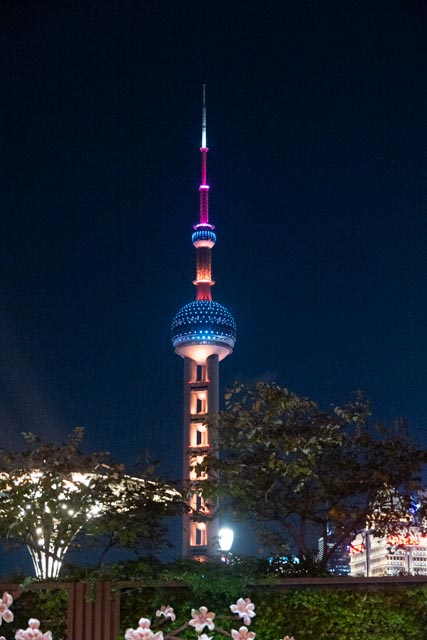
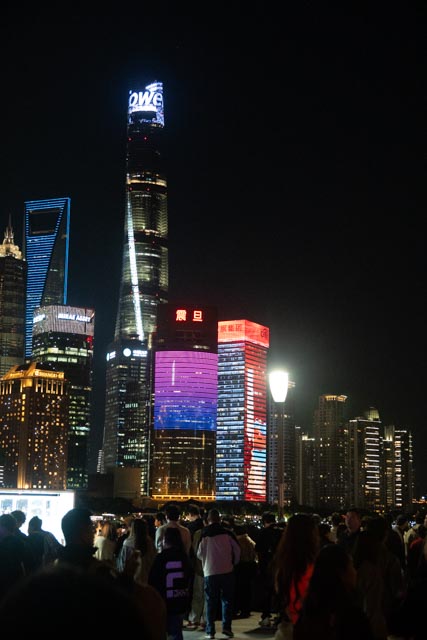
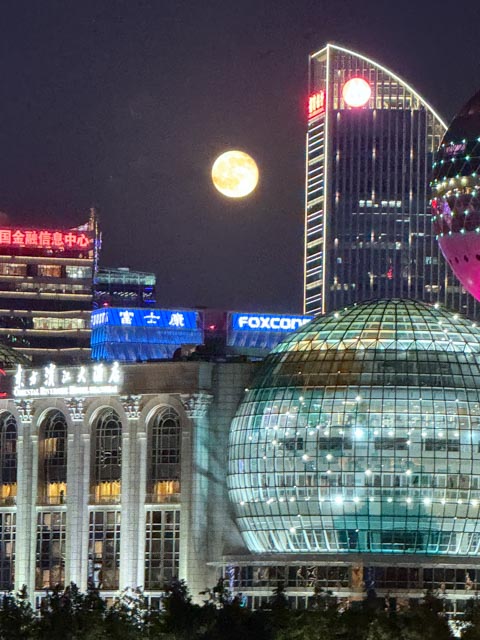
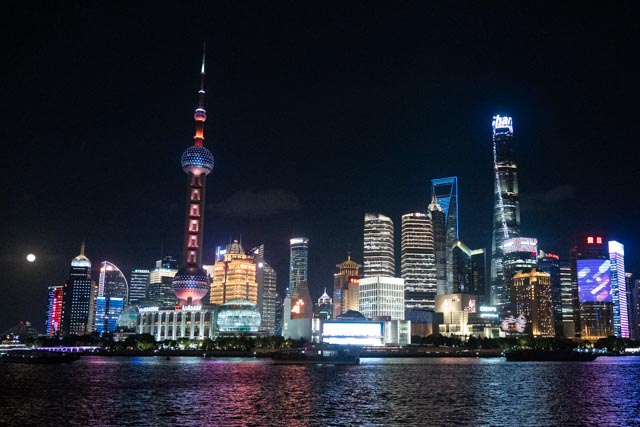
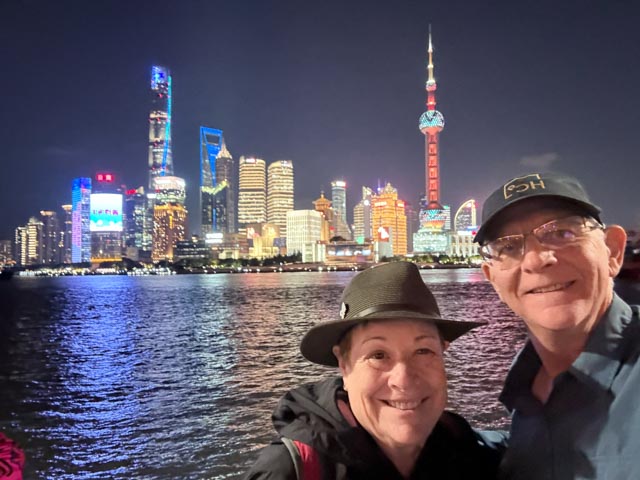
Soaring skyscrapers like the Shanghai Tower dominate the skyline, while The Bund, the historic waterfront promenade, preserves early 20th-century neoclassical and Art Deco buildings. At night, the city transforms as the iconic light show illuminates the skyline across the river.
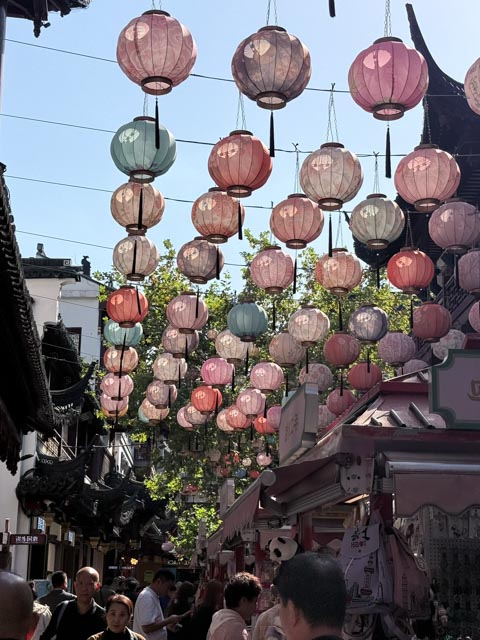
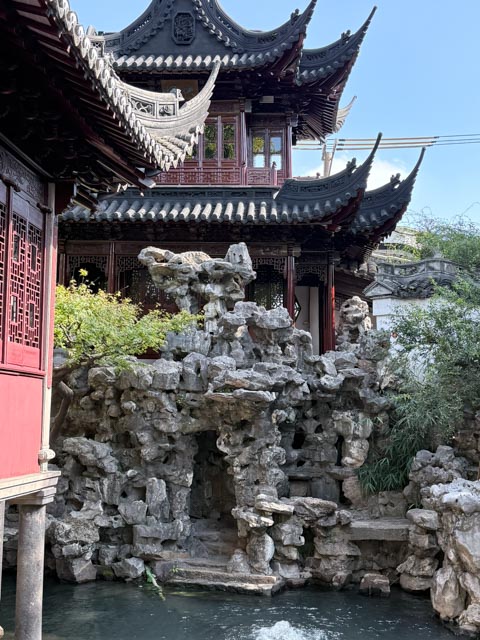
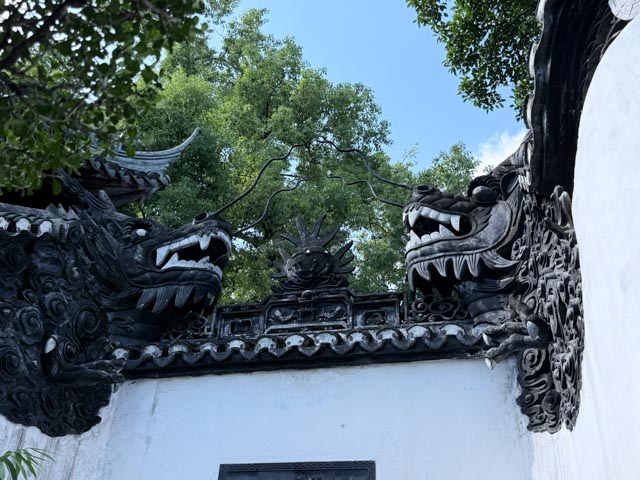
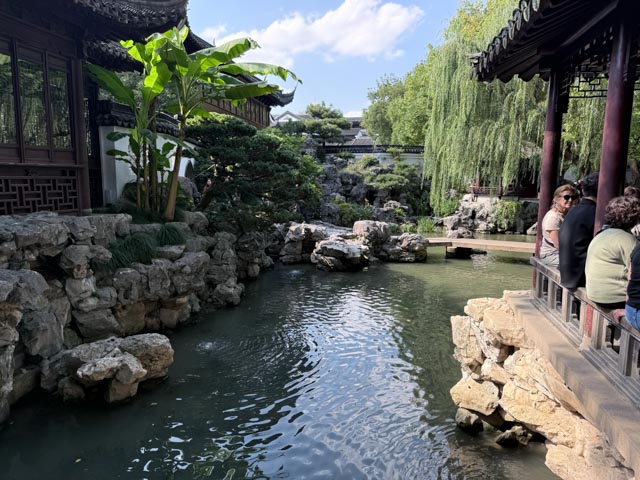
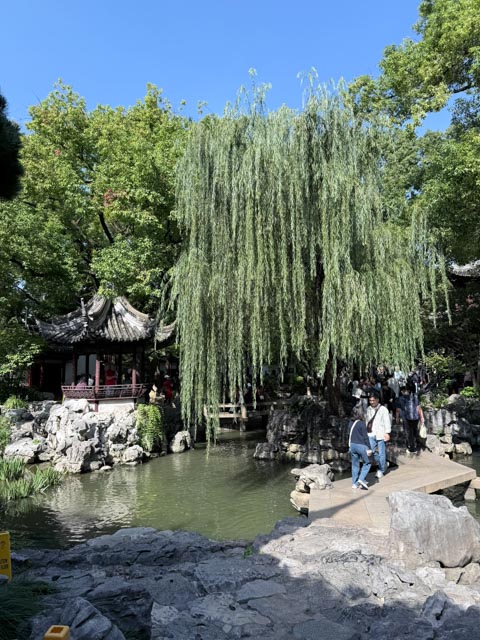
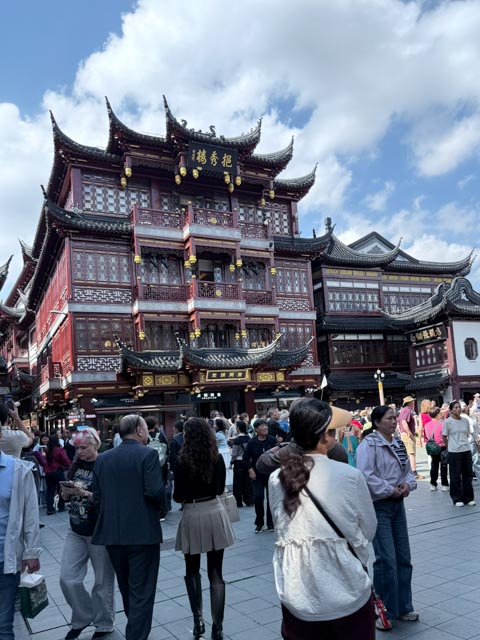
Stepping back in time from the ultra-modern metropolis, we explored the tranquil, Ming Dynasty Yu Garden, with its pavilions, rockeries and koi ponds, and the vibrant Old City bazaar around it, where bustling traditional alleyways offer a striking contrast to the concrete, steel and ever-present Starbucks beyond.
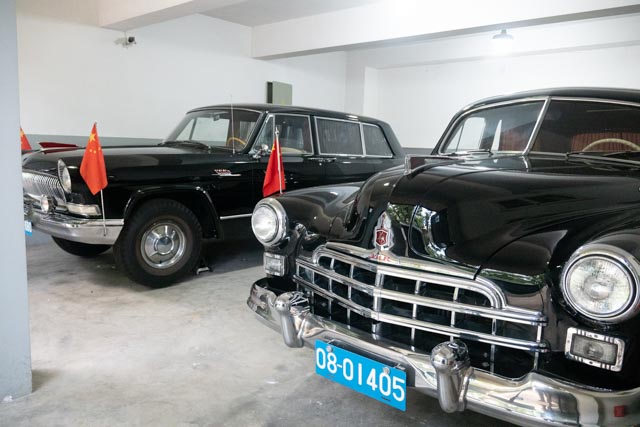
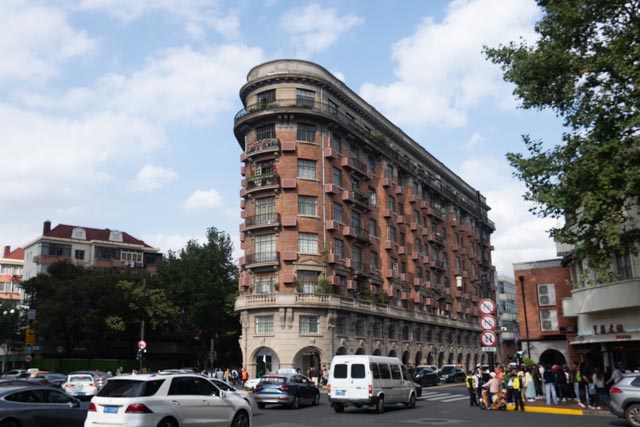
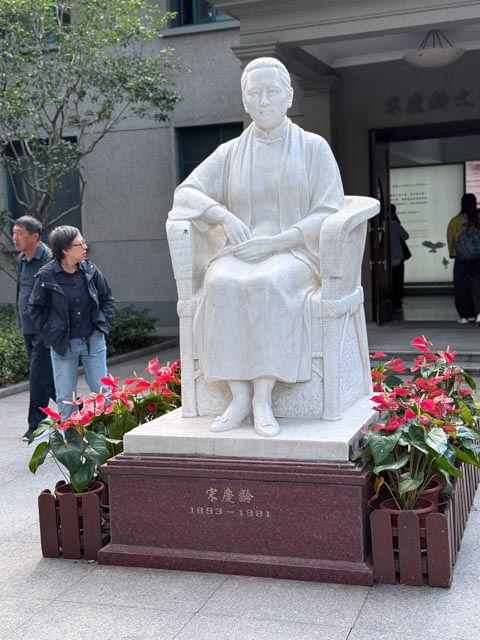
Shanghai’s cosmopolitan development is intertwined with its profound 20th-century history. In the leafy streets of the Former French Concession, we visited the quiet, elegant house and grounds of Madame Soong Ching-ling (Madame Sun Yat-sen), offering an intriguing window into the life of the woman honored as the “Mother of Modern China.” After World War I, thousands of Russian Jews moved to Shanghai, many establishing businesses along the tree-lined avenues here.
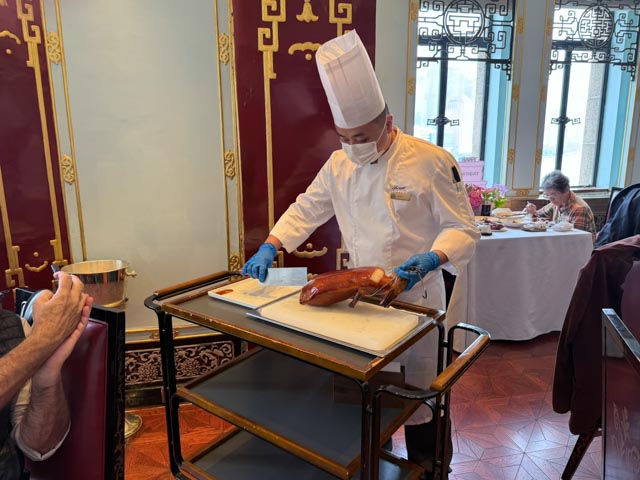
One highlight of the day was lunch at the famous Peace Hotel on The Bund. Victor Sassoon built it in 1929 as the Cathay Hotel, and the Sassoon and Kadoorie families, Sephardic Baghdadi Jews who arrived in the mid-19th century, laid key foundations for the city’s trade and architecture. At lunch, we were treated to fresh-cooked duck, carved right at our table. A meal to remember and definitely a place to return to!
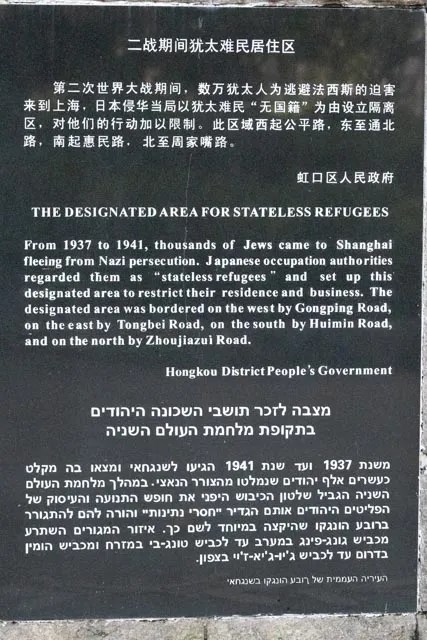
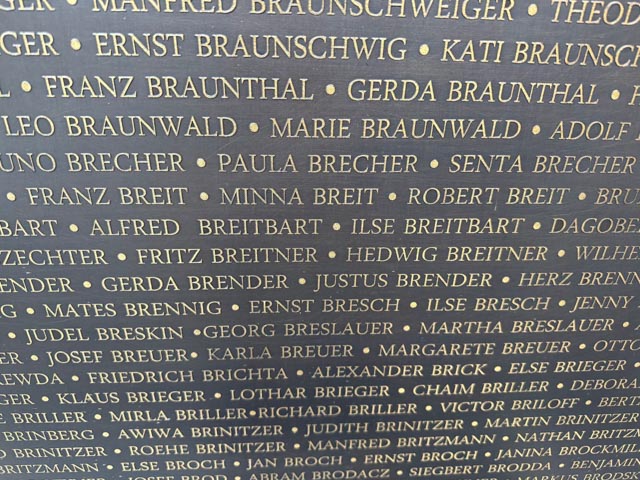
The largest wave of Jewish newcomers arrived in the late 1930s and early 1940s, when Shanghai served as a vital sanctuary for roughly 20,000 European Jewish refugees fleeing Nazi persecution, as it was one of the few places in the world requiring no visa for entry. During World War II under Japanese occupation, these refugees were confined to a designated area known as the Shanghai Ghetto. Despite dense living conditions and wartime shortages, the community maintained vibrant cultural institutions, schools, and newspapers alongside local residents. Today, the Shanghai Jewish Refugees Museum—housed in the historic 1927 Ohel Moshe Synagogue in the old ghetto neighborhood—centers this heritage and preserves a unique history of refuge and survival. The museum includes a monument listing the names of those who arrived. Many came from Vienna, and it was fascinating to see several who shared Suzanne’s maiden name. Now there are roughly 5,000 Jews living in Shanghai, most of them expats who have relocated in recent years. Sadly, only about 400–500 descendants of that refugee-era community remain.
Skyscrapers, secret gardens and a duck carved at our table: not bad for two quick days in Shanghai! We can’t wait to come back for another taste.


Leave a Reply