
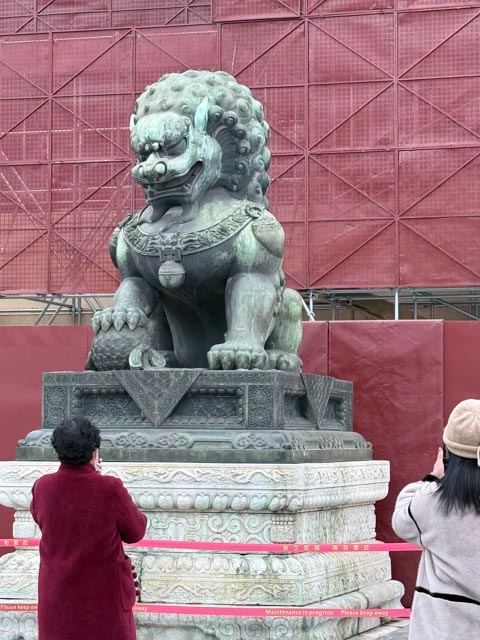
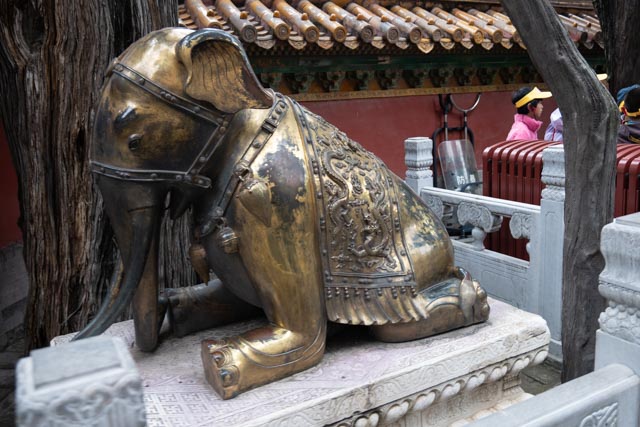
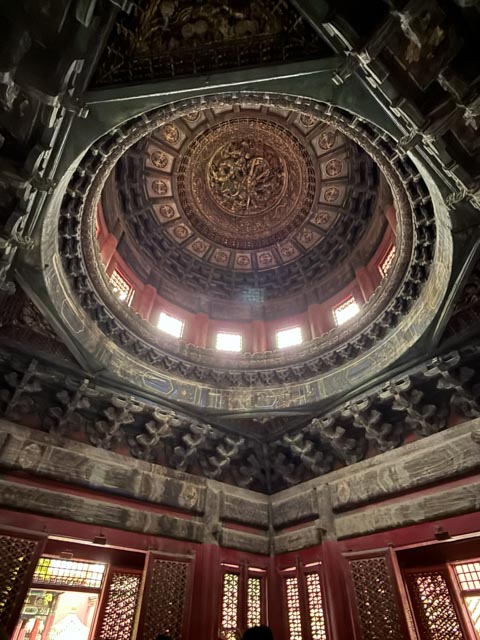
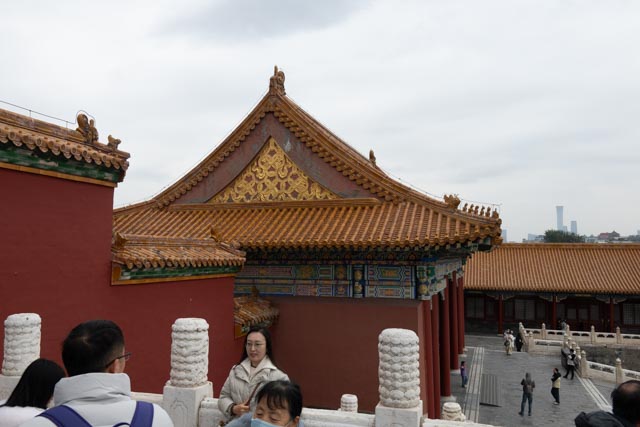
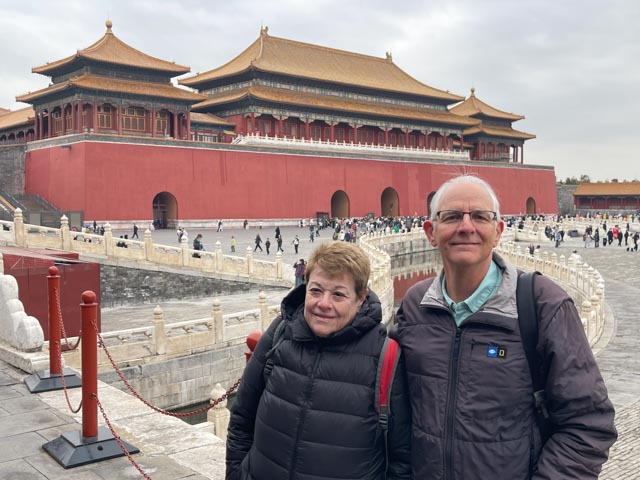
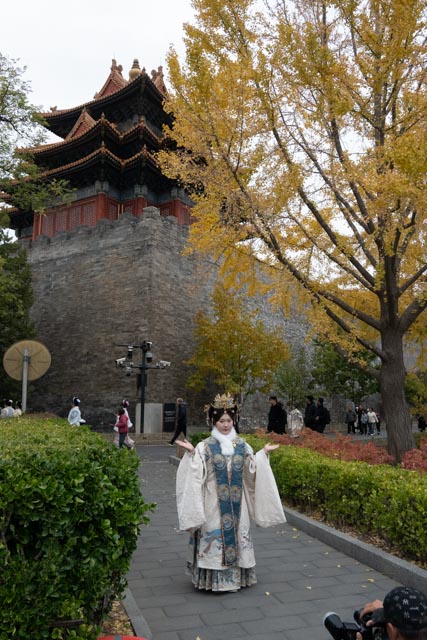
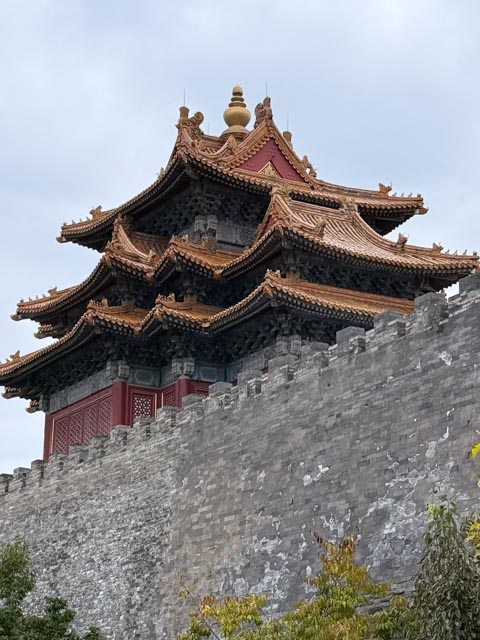
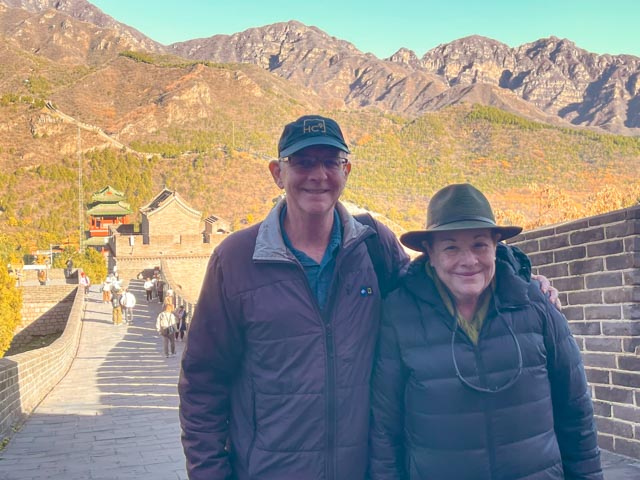
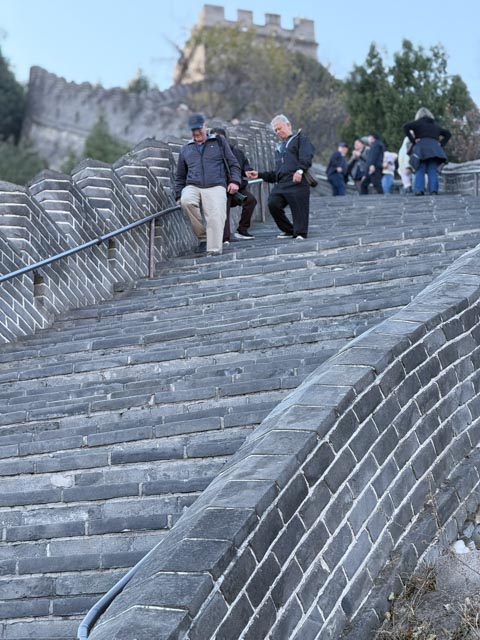
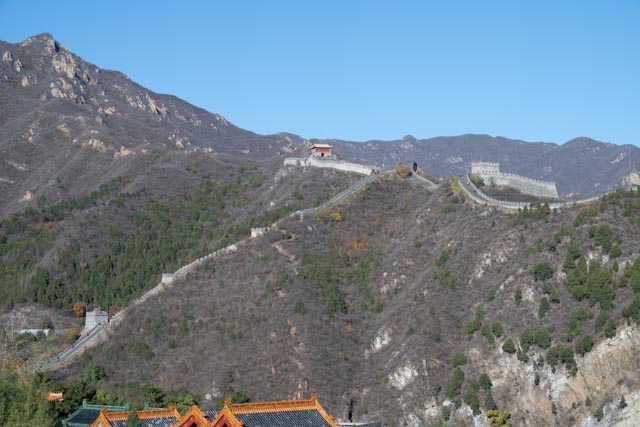
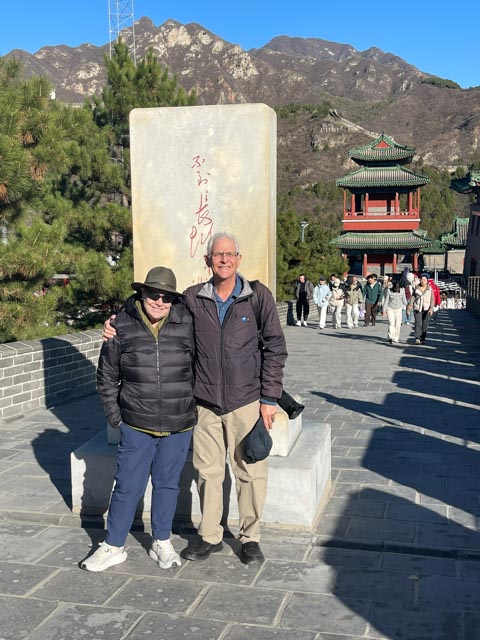
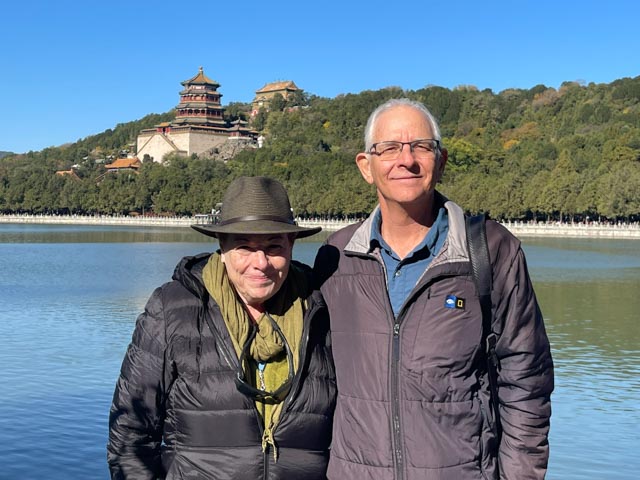
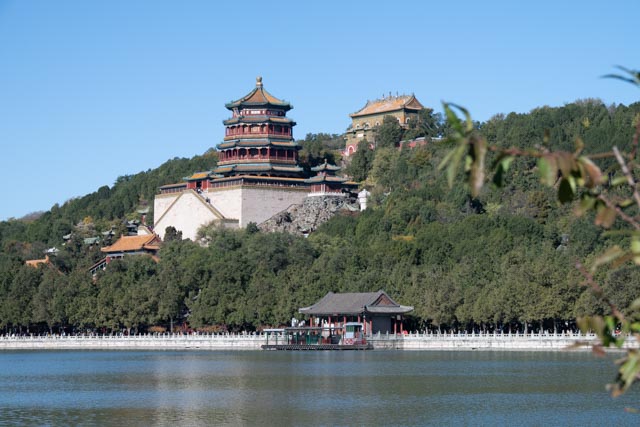
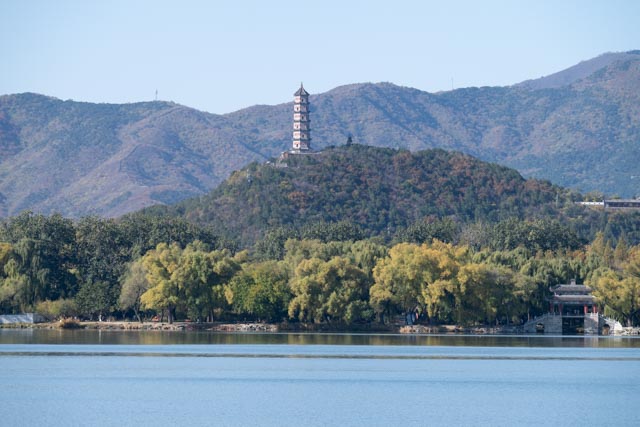
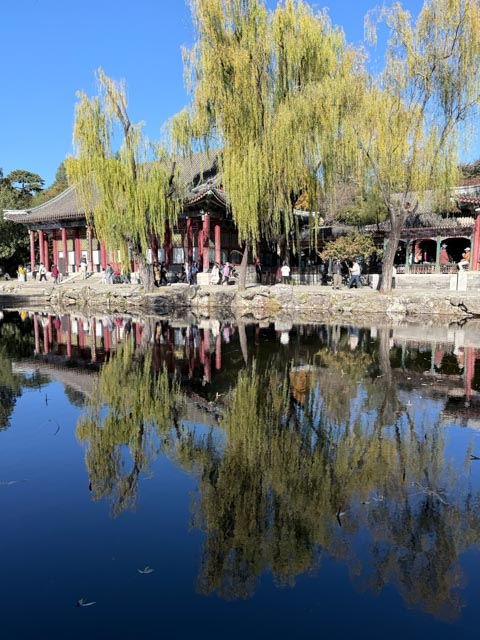
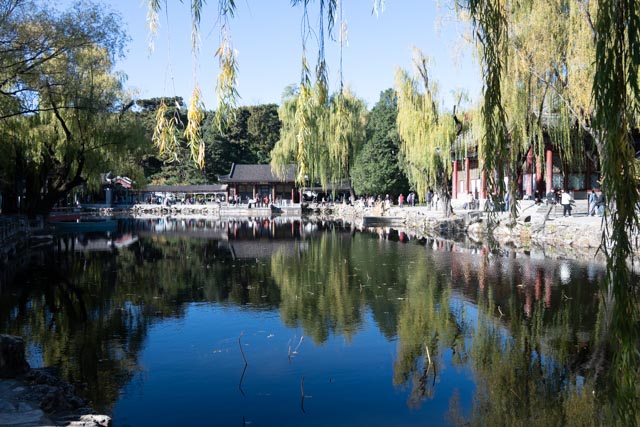
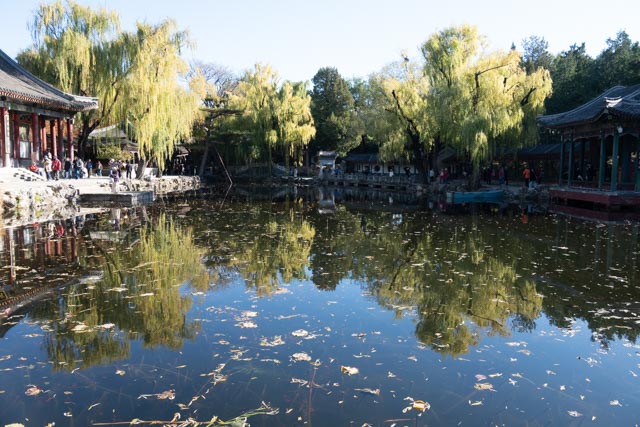
As the imperial capital across China’s Yuan, Ming, and Qing dynasties, Beijing preserves an extraordinary architectural legacy that mirrors centuries of power. During our short visit, we had a chance to see several of these famous places. At the symbolic heart of the city lies Tiananmen Square, one of the world’s largest public squares, facing the imposing red walls of the Forbidden City. This massive palace complex, comprising nearly a thousand buildings, served as the seat of power for 24 emperors over nearly five hundred years. It has been beautifully restored, showing off the craftsmanship of the artisans who built it more than 600 years ago. Beyond the urban core, imperial grandeur stretches into nature: to the northwest, the serene lakes and pavilion-dotted hills of the Summer Palace provided a peaceful retreat for the royal court. You have to give a lot of credit to the Qianlong Emperor, who began building it in 1750 as a birthday gift for his mother. Outside the city, we visited the Great Wall and did a bit of climbing. It is a monument in itself, snaking across rugged mountain ridges and fortified over generations to protect the capital from invasions.
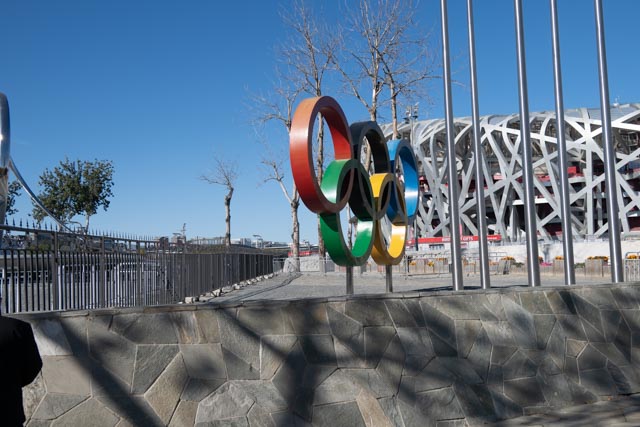
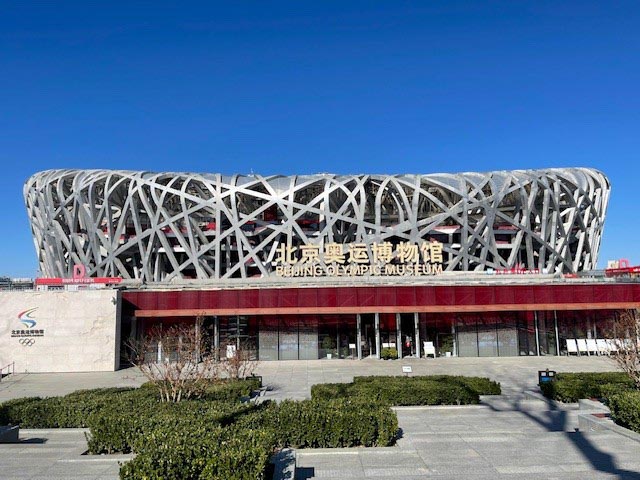
Entering the modern era, Beijing seamlessly juxtaposes its ancient treasures with world-class contemporary engineering. The iconic National Stadium—affectionately known as the “Bird’s Nest”—stands in the Olympic Green on the opposite side of the Forbidden City from Tiananmen Square. Built as the centerpiece of the 2008 Summer Olympics and later hosting the opening and closing ceremonies of the 2022 Winter Olympics, it is a landmark of modern design. Its intricate steel lattice structure encapsulates Beijing’s transformation into a dynamic global metropolis that honors its past while actively shaping the future.
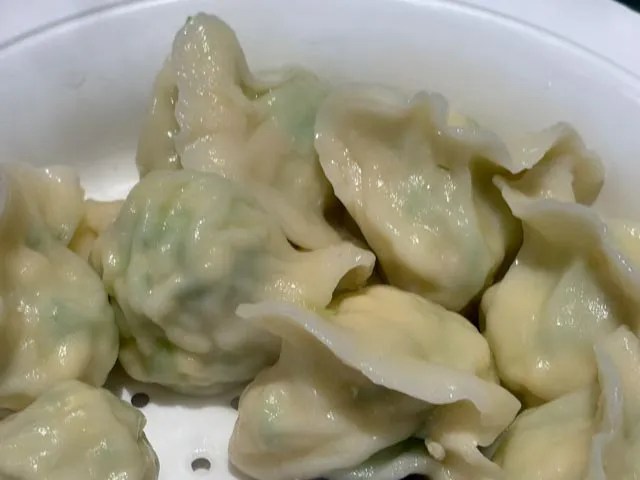
Beyond monumental stone and steel, we had a first-hand taste of the seasonal custom, most warmly experienced on the Chinese calendar’s start of winter (Lidong). Dennis, our amazing tour guide, showed us how this ancient festival brings families together to share bowls of piping-hot jiaozi (dumplings) in the crisp northern air. Traditionally eaten to ward off the winter chill and protect against frostbite, these warm dumplings remain a delicious symbol of reunion, prosperity, and living heritage. We joined him at his neighborhood restaurant for bowls of steaming dumplings while we watched them being made by hand in the open kitchen.
From emperors to Olympians to dumplings with Dennis, Beijing packed a lot into a short visit.


Leave a Reply